
Coating an Older Garage Floor in Winter Park, FL: What to Expect
· By Helio Lopes de Gois
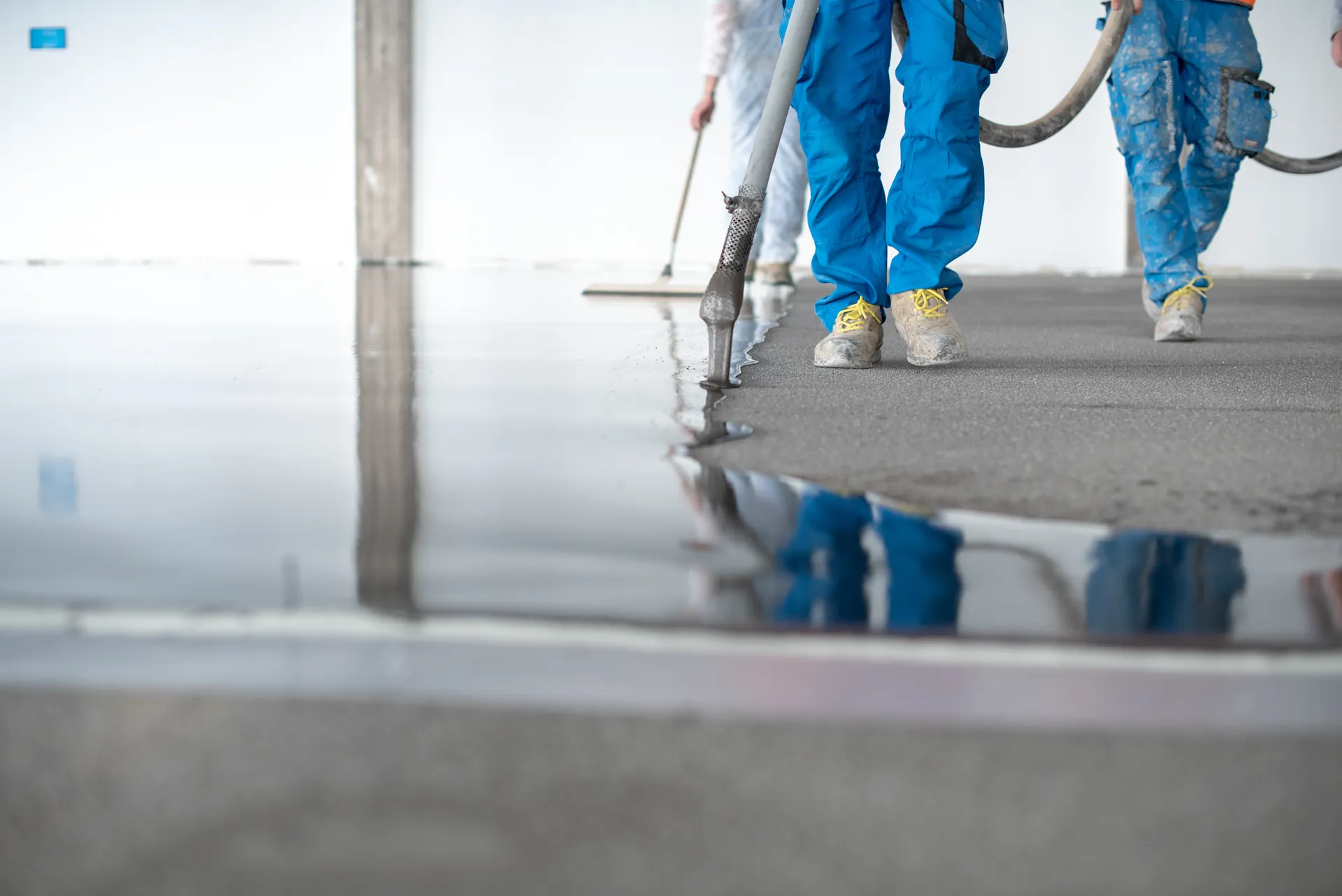
Winter Park has some of the most characterful homes in Central Florida, from the brick-lined streets near Park Avenue to the older neighborhoods framing the chain of lakes and the tree-canopy blocks around Rollins College. Many of these garages sit on concrete that was poured decades ago. That older concrete carries history, and it also carries wear: surface dust, flaking edges, hairline cracks, and oil shadows that never fully scrub out.
The good news is that a tired old slab is usually a candidate for a proper coating, not a reason to give up on it. The difference between a floor that peels within a season and one that stays put for years comes down almost entirely to how the old concrete is read and prepped. This guide walks through what dusting, spalling, and cracking actually mean, why old slabs need diamond grinding plus real repair, and what the process looks like from estimate to a one-day install.
What Dusting, Spalling, and Cracking Mean on an Old Slab
If you rub your hand across an older Winter Park garage floor and it comes away chalky, that is dusting. It happens when the very top layer of the concrete has weakened over the years, so the surface sheds a fine powder. A coating cannot bond to a layer that is already crumbling, which is exactly why roll-on paint over a dusty floor lifts off in sheets.
Spalling is the flaking or chipping you often see near the garage door threshold or along the front lip of the slab. Years of moisture, road salt tracked in from travel, and freeze-thaw cycling up north before a home changed hands can pop the surface loose in shallow patches. Spalled areas have to be repaired and re-profiled before any coating goes down, or the coating simply follows the failing concrete and comes up with it.
Cracks are almost universal on older slabs. Most are cosmetic shrinkage or settling cracks that opened up as the house aged and the ground moved. These are routine to repair. A smaller number are active structural cracks that keep moving, and those are flagged during the estimate so you know what you are dealing with before anyone commits to a finish.
Why Old Concrete Needs Diamond Grinding, Not a Quick Rinse
The single biggest reason a garage coating fails on an older floor is weak prep. A coating is only as strong as its grip on the concrete underneath. On a slab that has been sealed, painted, or simply aged for thirty or forty years, the top surface is contaminated and slick, and nothing new will hold to it for long.
Diamond grinding mechanically removes that compromised top layer and opens the pores of the concrete, creating a clean, gritty profile the coating can lock into. This is very different from a pressure wash or an acid etch, which leaves the underlying dusting and old sealer largely in place. On the decades-old slabs common in Orwin Manor and the older streets near Hannibal Square, grinding is not an upsell, it is the step that makes everything above it last.
Grinding also exposes what the eye misses: soft spots, hidden spalling, and moisture staining that tells us how the slab behaves. Reading the floor while it is being ground is part of how an owner-operator decides on the right repair and the right coating for that specific garage.
Why a DIY Roll-On Kit Usually Fails on These Floors
Big-box roll-on kits are built around a light etch and a thin coat you apply with a roller. On a newer, clean slab in good shape they can look fine for a while. On an older Winter Park garage floor that is dusting and spalling, they are set up to fail, because the kit skips the one step that matters most: removing the weak surface layer with grinding.
The pattern is predictable. The coating goes on looking great, then hot-tire pickup starts lifting it where you park, edges peel near the threshold, and within a season or two you are back to bare, now-damaged concrete. The money and the weekend are gone, and the floor is often rougher than when you started.
A professional system flips the order: heavy mechanical prep first, real crack and spall repair second, and only then a durable coating built for Central Florida heat and humidity. That sequence is the whole point, and it is why a properly installed floor behaves nothing like a kit.
What the Prep-and-Coat Process Looks Like on a Tired Slab
The visit starts with clearing the garage and grinding the entire slab down to a clean, open profile. All the flaking, old sealer, paint, and dusting comes off, and the concrete is left bare and gripping.
Next comes repair. Cracks are cut, cleaned, and filled; spalled and pitted areas are patched and re-profiled so the surface reads flat and sound again. This is the stage where an old floor gets its integrity back, and it is usually the difference you can feel underfoot once the job is done.
With the slab prepped and repaired, the coating goes down. A common choice for this climate is a base coat with decorative flake broadcast into it, followed by a UV-stable polyaspartic top coat that resists hot-tire pickup, chemicals, and yellowing from sun exposure through the open garage door. The finish is easy to sweep and rinse, which matters when you are tracking in dust and pollen from the tree canopy that Winter Park is known for.
Can a Really Rough Old Floor Still Be Saved?
In most cases, yes. A slab that looks hopeless, cracked, chalky, and patched in three different eras, is often still a strong candidate once it is ground down and the repairs are made. Concrete is forgiving, and grinding plus proper patching resolves the majority of what makes an old floor look and feel worn out.
There are limits, and honesty about them matters. If a slab has deep, actively moving structural cracks, significant heaving, or serious moisture pushing up from below, those conditions get flagged rather than coated over. Putting a beautiful finish on a failing slab only hides the problem for a little while.
The only reliable way to know which category your garage falls into is an on-site look. Every floor is assessed at the free estimate, so you get a straight answer about whether your specific slab is ready to coat, needs repair first, or has an underlying issue worth addressing before spending a dollar on a finish.
One-Day Install, and What It Costs
Once the prep is understood and scheduled, most residential garage floors are ground, repaired, and coated in a single day. Polyaspartic systems cure fast, so a floor installed in the morning is typically walk-ready that evening and ready for vehicles within a day or two, depending on conditions.
Cost depends on the size of the garage, how much repair the old slab needs, and the finish you choose, so a firm number only comes after the floor is seen in person. As a general range, professionally ground-and-coated residential garage floors in the Orlando area commonly land in the low-to-mid four figures, with heavier repair or larger multi-car garages moving higher.
The most useful next step is a free on-site quote. You get an honest read on your slab, a clear scope for prep and repair, and a fixed price before any work starts, no guessing off a photo and no surprise charges once the grinder comes out.
Frequently asked questions
- My Winter Park garage floor is chalky and flaking. Can it still be coated?
- Usually, yes. Chalkiness is dusting and flaking is spalling, both surface-level problems on older concrete. Diamond grinding removes the weak top layer and the spalled areas are patched and re-profiled, which gives the coating clean, sound concrete to bond to. The floor is assessed in person at the free estimate to confirm it is ready.
- Why can't I just use a roll-on garage floor kit from the store?
- Roll-on kits rely on a light acid etch and skip diamond grinding, so on an older dusting or spalling slab the coating bonds to a weak surface and peels, often within a season. A professional system grinds the slab, repairs cracks and spalls, then applies a durable coating, which is why it lasts far longer on tired concrete.
- How long does it take to coat an older garage floor?
- Most residential garages are ground, repaired, and coated in a single day once the prep is scoped. Polyaspartic coatings cure quickly, so the floor is typically walk-ready the same evening and ready for vehicles within a day or two, depending on temperature and humidity.
- What does garage floor coating cost in the Winter Park area?
- It depends on the garage size, how much repair the old slab needs, and the finish you pick, so a firm price comes only after an on-site look. As a general range, professionally ground-and-coated residential garage floors in the Orlando area commonly fall in the low-to-mid four figures. A free quote gives you a fixed number before any work begins.
- What if my old slab has cracks or an underlying problem?
- Most cracks on older slabs are cosmetic shrinkage or settling cracks and are routine to repair. Active structural cracks, heaving, or serious moisture from below are different and are flagged at the estimate rather than coated over, so you get an honest read on your specific floor before committing.
Related services
Serving
Ready for an exact price?
Get a free, no-pressure in-home estimate. Real numbers for your home, not a phone guess.